
Cubans, Many in the US for Decades, Deported to Mexico
(Washington, DC) – The Trump administration has deported thousands of Cubans, many of them older adults, to Mexico, denying them due process and leaving many stranded without access to basic services, Human Rights Watch said in a report rel
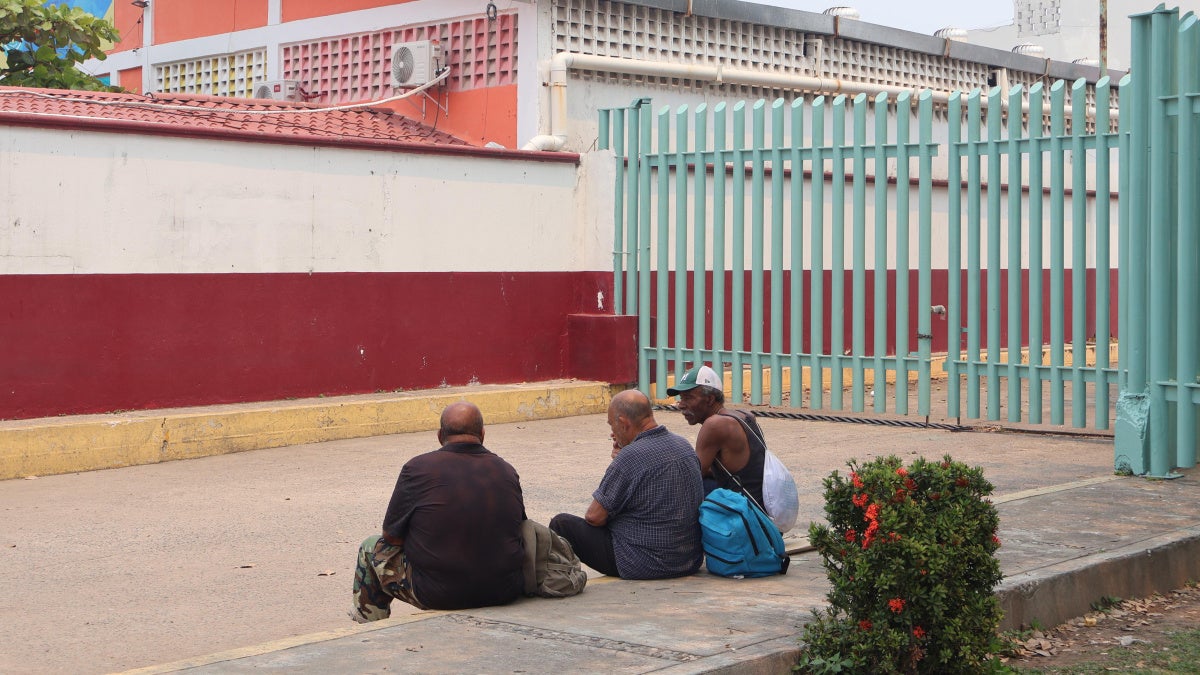
(Washington, DC) – The Trump administration has deported thousands of Cubans, many of them older adults, to Mexico, denying them due process and leaving many stranded without access to basic services, Human Rights Watch said in a report released today.
The 66-page report, “‘Casting Us Aside to Die:’ Cuban and Other Third-Country Nationals Deported from the US to Mexico,” documents US government abuses against Cubans and other third-country nationals deported to Mexico between January 2025 and March 2026. With no other recourse to obtain permanent residency in Mexico, many Cuban deportees, whose home government refuses to take them back, are trapped in a legal limbo. Since arriving in Mexico, they have received little if any government support, and many are without access to shelter, food, or health care. Cuban and Other Third-Country Nationals Deported from the US to Mexico Download the full report in English “The Trump administration is using Mexico as a dumping ground for people it cannot deport to their countries of origin, including many Cubans who have been in the United States for decades,” said Alcira Silva Hava, Leonard H. Sandler fellow in the refugee and migrant rights division at Human Rights Watch. “The Mexican government is not offering them any way to obtain durable legal status outside of the asylum system, leaving many in limbo with no shelter, no medication, and at the mercy of criminal organizations.” Human Rights Watch interviewed 53 third-country nationals deported from the United States to Tapachula, Chiapas and Villahermosa, Tabasco, including 41 Cuban men.
The majority of the men had lived in the United States, predominantly in Florida, for years or decades after fleeing Cuba because of political repression or lack of economic opportunities. Many had built businesses, owned homes, and left family members behind in the United States. Most are 60 or older and have chronic health conditions requiring ongoing medical treatment. None of the people interviewed were given the opportunity to challenge their deportation to Mexico, violating their due process rights under both US and international law. US authorities deported them without documentation, money, or personal belongings. Although Mexican authorities have agreed to receive Cuban nationals, they have left them in unsafe conditions, without access to shelter or health care. With no clear path to legal status, many have little prospect of improving their circumstances. Some have been forced to live on the streets, including in parks or outside hospitals. “They’re casting us aside to die,” said Harold A. (pseudonym), a 58-year-old Cuban national. “There’s no help. We can’t work because we don’t have papers.
They don’t give us anything, nothing.... How are we supposed to eat, to pay rent?” The deported individuals were sent to southern Mexico, where cities like Tapachula and Villahermosa have high levels of violence and paltry capacity to provide protection, housing, jobs, and access to public services. Most of those interviewed struggled to find nonexploitative work or health care. Older people faced the most severe consequences. Some were cut off from the medications they had taken for years. Human Rights Watch found that between January 20, 2025, and March 9, 2026, US authorities deported more than 18,000 third-country nationals, of whom nearly 13,000—roughly 70 percent—were sent to Mexico under an undisclosed agreement between the two governments. Cubans accounted for the largest group, with 4,353 deported to Mexico over the same period. Of these, 55 percent had a prior US criminal conviction, 16 percent had a pending charge but no conviction, and 26 percent had no criminal record at all. Only 16 percent had a violent or potentially violent offense as their most serious conviction.
The mass targeting of long-term Cuban permanent residents and their deportation to Mexico was not a US practice prior to President Donald Trump’s second term. Cuban and other third-country-national deportees were subjected to numerous abuses at the hands of the US government. In US immigration detention, many experienced overcrowding, extreme temperatures, inadequate food, poor access to medical care, and lack of access to information about their cases, as well as physical and verbal violence by guards. Until April 2026, Mexican law severely limited their movement to other Mexican states by requiring a valid identification for travel within the country, effectively preventing them from seeking better conditions or opportunities in other parts of the country. Asylum is essentially the only legal pathway deportees have to permanent legal status in Mexico, but many who have been outside Cuba for decades may simply not have, or are unlikely to be able to demonstrate, a well-founded fear of persecution in the country. Even for those who wish to make asylum claims, the process is arduous.
The Mexican Refugee Assistance Agency’s under-resourced bureaucracy is slow and saddled with procedural requirements that make it very difficult for people to access asylum or similar protection.
The US government should comply with the procedural requirements of the Immigration and Nationality Act that give each person a meaningful opportunity to contest their country of removal. Transfers should occur only under transparent agreements, and all receiving states should guarantee full and fair asylum procedures and durable protection for those who qualify. To the extent US law allows it, the authorities should also weigh age, physical and mental health, disability, and family ties in the United States before enforcing removal orders to third countries.
The Mexican government should accept transfers only under transparent agreements that entail compliance with due process and international law, and should guarantee full and fair protection screenings, including access to asylum. Mexico has a particular responsibility to those who it accepted knowing that their countries of origin have refused to take them back.
Read the full article at the original website
References:
- https://www.hrw.org/americas/cuba
- https://www.hrw.org/americas/mexico
- https://www.hrw.org/node/393618
- https://www.hrw.org/united-states
- https://www.hrw.org/sites/default/files/media_2026/05/us_cubandeportations0526_full.pdf
- https://www.hrw.org/about/people/alcira-silva-hava
- https://www.reuters.com/legal/government/judge-probes-trump-administration-unwritten-deal-mexico-accept-cubans-2026-03-25/