
Facial Recognition Technology Set to Be Rolled Out Across the UK After High Court Ruling
A top court in Britain on Tuesday dismissed a legal challenge to the London police's use of live facial recognition technology, ruling that the force's policy does not breach human rights law.
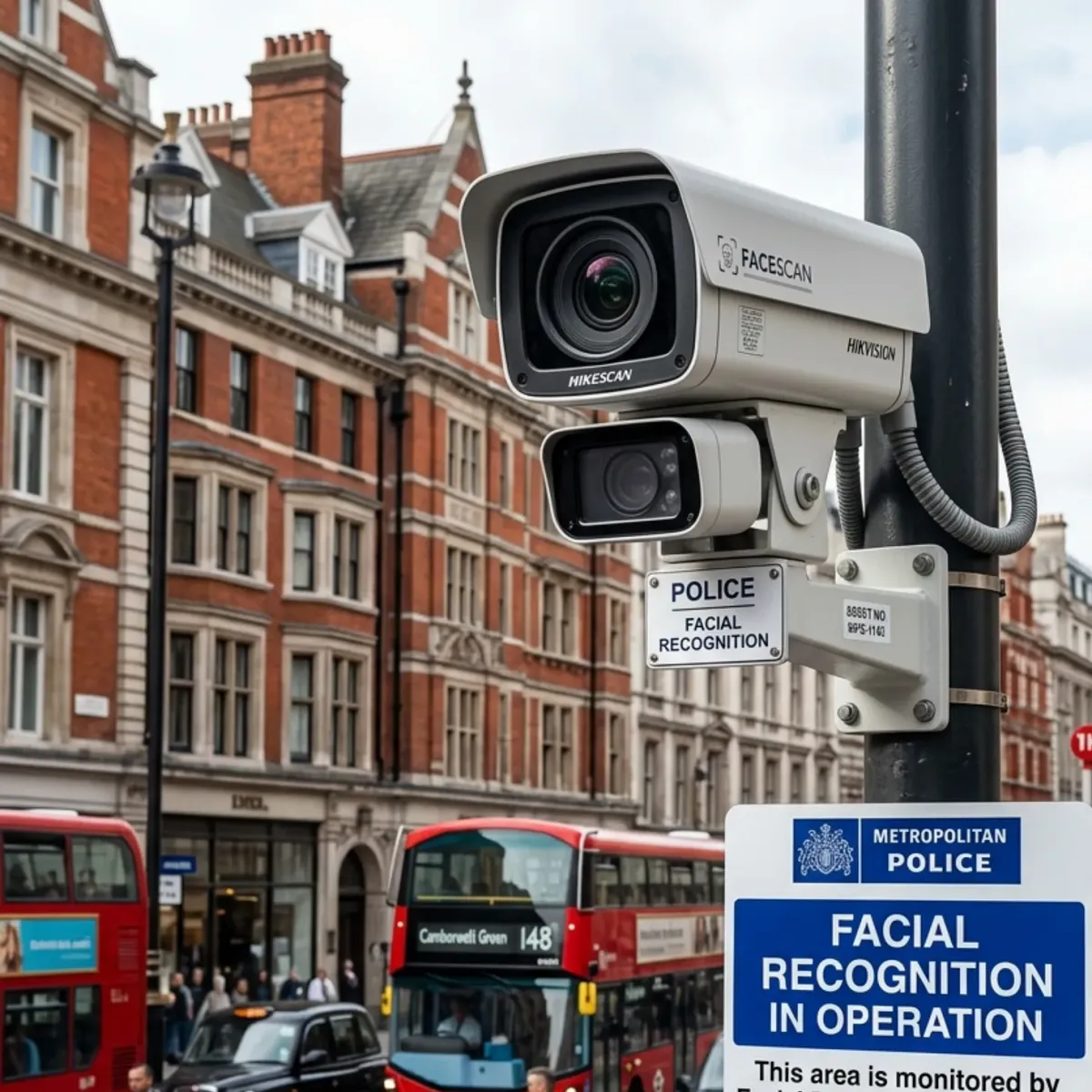
A major roll out of facial recognition technology is set to proceed across the United Kingdom after a High Court rejected a legal challenge today arguing the system breached human rights protections.
The ruling clears the way for deployment of live facial recognition tools by police forces, which civil liberties groups had argued infringed on privacy rights, freedom of expression and peaceful assembly under the European Convention on Human Rights. The challenge also raised concerns that the technology was too broad in scope and lacked sufficient safeguards.
However, the court found that the existing policing policy was lawful. It concluded that the framework governing facial recognition use contained adequate clarity, oversight mechanisms and limits on deployment, and that it did not authorise arbitrary decision making. The judges ruled that the claimants’ rights had not been violated.
The decision comes amid a broader push by the government to expand the use of artificial intelligence in policing. Authorities have already outlined plans for a nationwide roll out of facial recognition systems, including an increase in specialist surveillance vehicles and the introduction of AI assisted tools intended to support frontline officers and reduce administrative workloads.
The government claims the live facial recognition systems will only be used to scan faces in real time and compare them against police watchlists to identify individuals suspected of serious offences, missing persons, or those subject to warrants. Officials argue the technology can speed up arrests and improve public safety.
Critics also cautioned about longer term risks if biometric surveillance systems were to expand beyond their current policing scope. They argue that if facial recognition infrastructure were ever integrated with broader datasets such as travel history, financial records, or administrative government databases, it could enable more comprehensive tracking of individuals’ movements and activities. In this scenario, critics point to China’s social credit system as an example of how interconnected surveillance and data systems can, in some cases, be used to influence access to services or mobility based on behaviour or compliance metrics.
Read the full article at the original website.
References
- https://www.msn.com/en-gb/news/uknews/uk-court-rejects-challenge-to-london-polices-use-of-live-facial-recognition/ar-AA21oGo7
- https://www.aol.com/articles/met-police-wins-high-court-152858098.html
- https://www.judiciary.uk/wp-content/uploads/2026/04/Summary-of-judgment-Thomson-and-Carlo-v-Metropolitan-Police-Commmissioner-AC-2024-LON-001764-21-04-2026.pdf
- https://www.standard.co.uk/news/crime/met-police-live-facial-recognition-tech-usage-high-court-b1279512.html