
Detainee’s Death in Armenia Raises Serious Questions
The death of Armen Hovhannisyan by suicide on May 16, hours after Armenian police transferred him to a psychiatric institution, should prompt urgent scrutiny of how authorities respond to people in psychosocial distress. Police in Artashat,
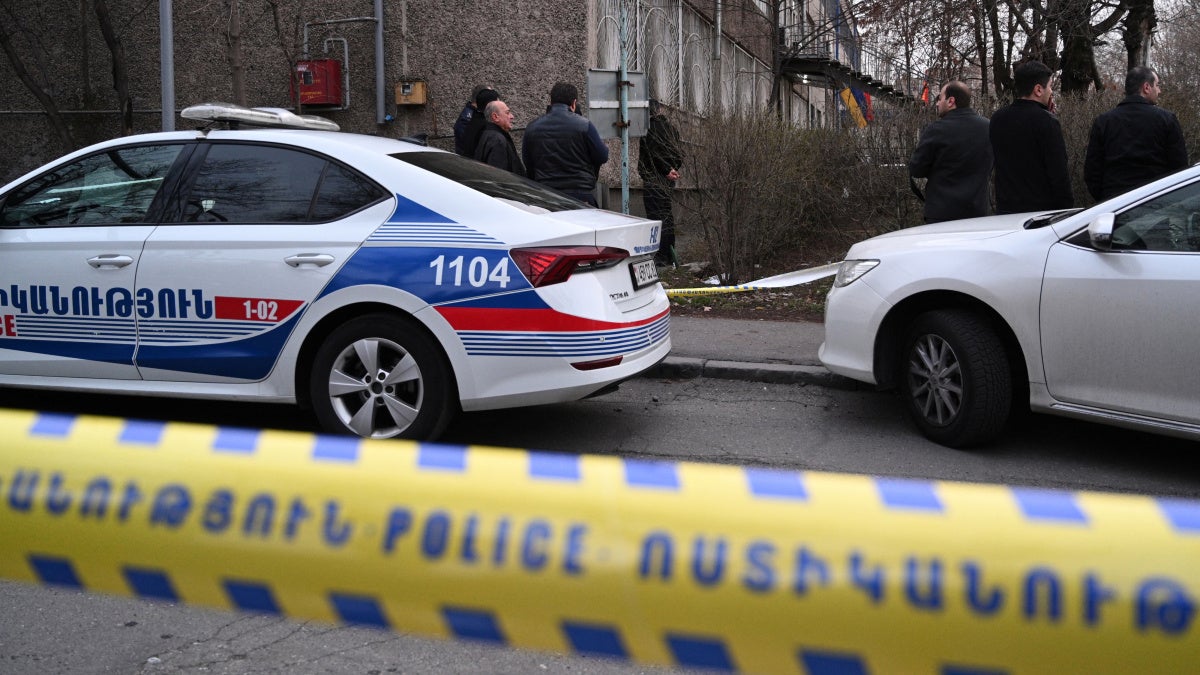
The death of Armen Hovhannisyan by suicide on May 16, hours after Armenian police transferred him to a psychiatric institution, should prompt urgent scrutiny of how authorities respond to people in psychosocial distress. Police in Artashat, about 30 kilometers from Yerevan, detained Hovhannisyan after he allegedly tore down an election campaign poster. Authorities opened criminal proceedings for “obstructing or coercing participation in campaign activities.” According to official information, while Hovhannisyan was in a police detention facility on May 16, officers observed what they described as “mentally unbalanced behavior” and called an ambulance. He was subsequently transferred to a psychiatric institution in Yerevan, where authorities said he died by suicide later that day. But the official account leaves critical questions unanswered. Authorities have not said why police considered detention was necessary, how long Hovhannisyan was in custody for, what conditions he was held in or if he had seen a doctor or a lawyer, what supports and safeguards were put in place to protect his rights, or the basis for transferring him to a psychiatric institution.
These gaps matter. Contact with the criminal justice system should not culminate in loss of life or involve punitive, coercive, or unsupportive mental health responses. Authorities said they opened a criminal investigation into Hovhannisyan’s death. As part of it, they should determine if Hovhannisyan’s detention, treatment in custody, and any psychiatric intervention complied with international standards, including the prohibitions on arbitrary detention, deprivation of liberty on the basis of disability, and the requirement that treatment be based on free and informed consent.
The case also points to a broader problem. Armenia has long relied on institutional and punitive responses to people with psychosocial disabilities, while community-based mental health support, crisis-response services, and accessible legal assistance remain inadequate. Armenia is a party to the United Nations Convention on the Rights of Persons with Disabilities, which requires authorities to respect legal capacity, provide reasonable accommodation, and ensure nondiscrimination for people with disabilities at all stages of criminal justice proceedings. This points to the need for an investigation broader than a criminal one, one capable of addressing structural failures, including gaps in training, oversight, and accountability in law enforcement responses to people with psychosocial disabilities, as well as a lack of accessible, rights-based support outside of institutions. An effective investigation should identify not only what happened in this case but what needs to change to prevent similar deaths.
Read the full article at the original website
References: