
Hong Kong: Beijing Tightens Social Control
(Tokyo) – Beijing has restructured Hong Kong’s governance to answer to Party leadership rather than Hong Kong’s people six years after imposing the draconian National Security Law, Human Rights Watch said today. “Hong Kong’s highly repressi
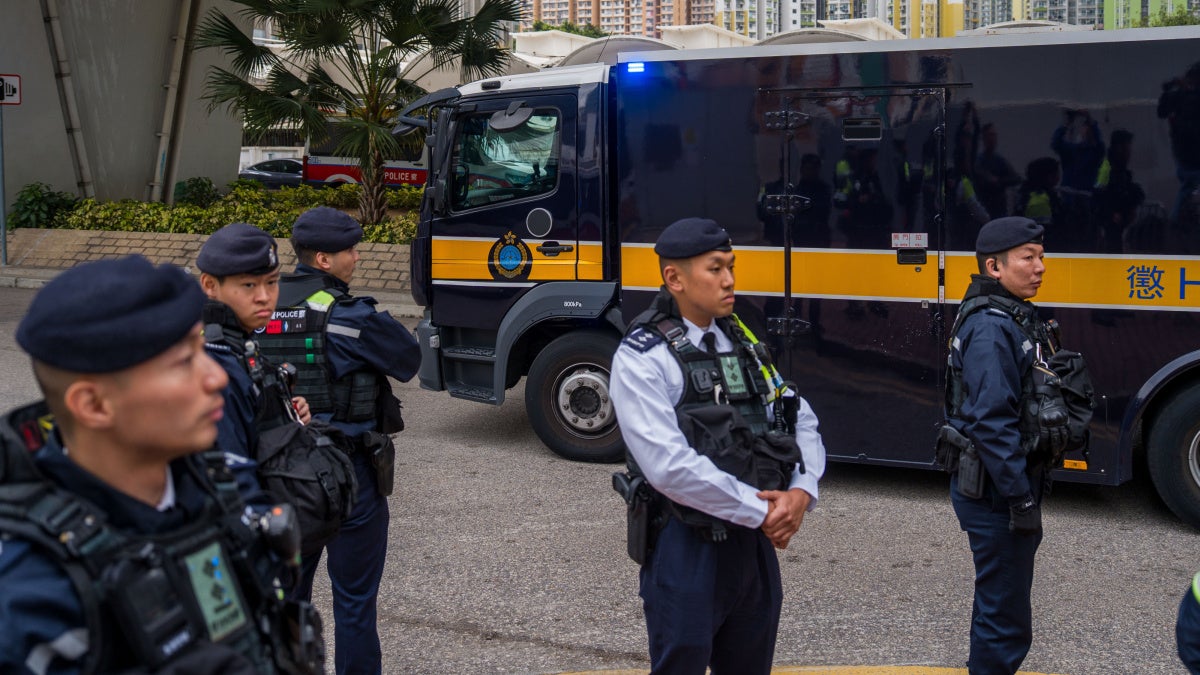
(Tokyo) – Beijing has restructured Hong Kong’s governance to answer to Party leadership rather than Hong Kong’s people six years after imposing the draconian National Security Law, Human Rights Watch said today. “Hong Kong’s highly repressive national security regime and bureaucracy have erased long-protected rights and cast a deeply troubling shadow over its future” said Elaine Pearson, Asia director at Human Rights Watch. “As Beijing continues to radically transform Hong Kong, the deadly Tai Po housing complex fire illustrates the tragic consequences of a society that has lost its ability to hold the powerful accountable.” The Chinese Communist Party and state have comprehensively reengineered Hong Kong’s foundation of governance, reshaping its leadership, personnel, institutions, and ideology.
The authorities no longer present national security as an exceptional response to the 2019 protests, but as a standing principle of administration.
They have enforced citywide compliance by punishing increasingly minor acts and targeting ordinary people for peaceful expressions. After Beijing imposed the National Security Law in June 2020, authorities neutralized the city’s democracy movement by imprisoning pro-democracy politicians, leaders, and activists, or forcing them into exile.
They also turned the previously quasi-democratic legislature into a rubber stamp, dismantled independent media and civil society, and entrenched a national security architecture throughout the government.
The Hong Kong government has continued to expand that security architecture over the past year. In March, it granted police new powers under the National Security Law, including the authority to require suspects to provide device passwords. In June, the government bypassed the legislature and used subsidiary legislation to grant the city’s leader authority to designate any criminal act a national security case. This allows arbitrarily subjecting anyone accused of an ordinary criminal offense to national security procedures, stripping them of fundamental due process protections, including the rights to bail and to be tried by impartial judges. In May, the government allocated HK$5 billion (US$638 million) to the national security budget, bringing the total to HK$18 billion (US$2.3 billion). No public information is available about how the funds are being used.
The national security apparatus relies on secrecy; police increasingly no longer make national security arrests public. Beijing is also ruling Hong Kong directly through mainland institutions and officials it controls. While Hong Kong’s chief executive remains John Lee, the Beijing-appointed Hongkonger, real power lies with party institutions that report directly to Xi Jinping. Instead of policies formulated through a publicly accessible, transparent process, they are now decided at the top of the Chinese Communist Party by the Party’s Central Leading Group on Hong Kong and Macau Affairs (中央港澳工作领导小组).
The leading group directs the Hong Kong and Macao Work Office (港澳工作办公室), headed by Xia Baolong, which in turns directs the China Liaison Office (香港中联办), headed by Zhou Ji. Zhou is also an “advisor” to the Hong Kong National Security Committee, which effectively directs all Hong Kong affairs under Xi’s “Comprehensive National Security Concept” (总体国家安全观).
The rubber-stamp Legislative Council also includes a growing number of individuals with deep ties to the Chinese party-state. As of the 2025 legislative term, a record 27 lawmakers out of 90 are members of China’s National People’s Congress or the Chinese People’s Political Consultative Conference. At least 45 hold positions or directorships in Chinese state-owned enterprises, an increase of about 60 percent from the previous term. Hong Kong’s government leadership also increasingly draws from former police officers. In addition to John Lee, at least six incumbent department heads or deputies have backgrounds in law enforcement. In May and June, two former police officials, both known for their leadership roles during the crackdown of the 2019 democracy protests, were appointed to head the government communications and public hygiene departments, instead of from the usual senior professional career civil servants trained for such posts.
These appointments appear to be part of a broader pattern of institutional reshaping with government departments increasingly expected to do Beijing’s bidding. For example, the public hygiene and fire departments have targeted businesses whose owners are perceived to hold pro-democracy views.
The government frequently uses the national security offense of “sedition” to criminalize everyday speech. Peaceful online comments supporting Hong Kong independence or selling books about opposition figures can lead to imprisonment. According to government figures, 401 people have been arrested for “activities that endanger national security,” with 182 convicted.
The government cites national security to justify censoring expression across the arts, film, and publishing. Even restaurant licenses now include national security clauses. In April, the Education Bureau issued a curriculum framework for schools to teach “values” like national security and patriotism. Schools routinely take students to visit the national security exhibition at the Hong Kong Museum of History, which vilifies popular democracy protests in Hong Kong’s contemporary history. In April, the “Hong Kong Story” exhibition reopened after six years of renovations and with substantial changes by the government made to its content, including the use of Chinese government language to describe Hong Kong’s colonial history and the removal of references to China’s 1989 democracy movement.
The draconian national security regime has been used by the government to stamp out dissent and act with impunity, with far‐reaching consequences.
The deadly Tai Po fire in November 2025 is an example of this new approach. Despite ample evidence pointing to government negligence, no officials have apologized or shown any indication of accepting accountability. Instead, the authorities silenced critics on social media and arrested a student and a YouTuber for “sedition” after they spoke out.
The government also barred victims from displaying banners on their homes and journalists from accompanying survivors as they returned to their apartments to retrieve their belongings. “The Chinese government dishonestly claims the national security regime targets only a small minority of people, but in reality it has turned the city into a security fortress, leaving people powerless,” Pearson said, “Foreign governments should keep speaking out about Hong Kong, and not forget that it is the ordinary people who fought so hard for universal suffrage and basic rights who suffer the most.”.
Read the full article at the original website
References:
- https://www.hrw.org/asia/china-and-tibet
- https://www.hrw.org/about/people/elaine-pearson
- https://www.hrw.org/feature/2021/06/25/dismantling-free-society/hong-kong-one-year-after-national-security-law
- https://www.hrw.org/news/2025/06/29/china-building-a-patriots-only-hong-kong
- https://www.bbc.com/news/articles/ce8j9yj52lro
- https://hongkongfp.com/2026/06/08/breaking-hong-kong-leader-to-have-power-to-certify-any-criminal-case-as-national-security/
- https://www.news.gov.hk/eng/2026/06/20260609/20260609_163441_073.html
- https://www.rfi.fr/tw/%E6%B8%AF%E6%BE%B3%E5%8F%B0/20260520-%E6%B8%AF%E5%BA%9C%E5%86%8D%E6%92%A550%E5%84%84%E4%BD%9C%E5%9C%8B%E5%AE%89%E9%96%8B%E6%94%AF-%E9%BB%91%E7%AE%B1%E4%B8%AD%E5%85%AD%E5%B9%B4%E5%85%B1%E8%80%97180%E5%84%84%E5%85%83
- https://www.rfa.org/english/china/2025/06/18/hong-kong-national-security-arrests/
- https://www.master-insight.com/article/19778
- https://thecollectivehk.com/%E7%AB%8B%E6%B3%95%E6%9C%83%E9%81%B8%E8%88%89%EF%BD%9C%E8%AD%B0%E5%93%A1%E5%9C%8B%E5%AE%B6%E9%9A%8A%E8%83%8C%E6%99%AF%E7%9B%A4%E9%BB%9E%E3%80%80%E4%B8%89%E5%88%86%E4%BA%8C%E8%BA%AB%E5%85%BC%E4%BA%BA/
- https://www.info.gov.hk/gia/general/202605/04/P2026050400486.htm
- https://thecollectivehk.com/%E7%A9%BA%E9%99%8D%E7%BD%B2%E9%95%B7%EF%BD%9C%E5%86%8D%E6%9C%89%E6%AD%A6%E5%AE%98%E8%BD%89%E6%96%87%E5%AE%98%E3%80%80%E8%AD%A6%E9%9A%8A%E5%89%8D%E3%80%8C%E4%BA%8C%E5%93%A5%E3%80%8D%E8%A2%81%E6%97%AD/
- https://apnews.com/article/hong-kong-national-security-law-five-years-restaurants-be9ba88d5af8e039558007c64c5247e4
- https://www.theguardian.com/world/2026/mar/25/hong-kong-bookstore-staff-arrested-jimmy-lai-biography
- https://www.france24.com/en/live-news/20260624-hong-kong-arrests-two-for-allegedly-selling-seditious-material
- https://hongkongfp.com/2024/01/18/hong-kong-govt-art-council-withdraws-venue-for-annual-drama-awards-over-inappropriate-arrangements/
- https://hongkongfp.com/2026/05/03/explainer-the-decline-of-hong-kongs-press-freedom-under-the-national-security-law/
- https://www.thestandard.com.hk/news/article/188901/Banned-book-list-wont-be-made-public-home-affairs
- https://hongkongfp.com/2026/04/09/all-hong-kong-restaurant-licences-to-have-national-security-clauses-by-september-minister/
- https://edb.gov.hk/attachment/tc/curriculum-development/4-key-tasks/moral-civic/VE_CF_2026_.pdf
- https://www.info.gov.hk/gia/general/202503/18/P2025031800605.htm
- https://www.bbc.com/zhongwen/articles/cpd547jdgn6o/trad
- https://www.hrw.org/news/2025/12/06/the-hong-kong-fire-and-the-high-human-cost-of-chinas-repression
- https://thecollectivehk.com/%e5%ae%8f%e7%a6%8f%e8%8b%91%e8%81%bd%e8%ad%89%e7%ac%ac17%e6%97%a5%e6%b6%88%e9%98%b2%e8%99%95%e7%9b%a3%e7%ae%a1%e4%b8%bb%e5%8b%95%e6%b6%88%e9%98%b2%e8%a3%9d%e7%bd%ae%e9%a2%a8%e9%9a%aa%e5%86%87%e6%a8%a3/
- https://thecollectivehk.com/%E5%AE%8F%E7%A6%8F%E8%8B%91%E4%BA%94%E7%B4%9A%E7%81%AB%EF%BD%9C%E6%94%B6%E3%80%8C%E6%BA%96%E7%A2%BA%E6%83%85%E5%A0%B1%E3%80%8D%E3%80%80%E9%81%87%E3%80%8C%E4%B8%8D%E5%8F%AF%E6%8A%97%E5%8A%9B%E5%9B%A0/
- https://www.theguardian.com/world/2026/feb/13/university-expels-student-who-called-for-accountability-over-hong-kong-fire-miles-kwan
- https://hongkongfp.com/2025/12/04/hong-kong-youtuber-arrested-for-sedition-over-depraved-tai-po-fire-remarks-reports/
- https://thecollectivehk.com/%E5%AE%8F%E7%A6%8F%E8%8B%91%E5%9B%9E%E5%AE%B6%EF%BD%9C%E5%B1%85%E6%B0%91%E5%9B%9E%E5%AE%B6%E5%BC%B5%E8%B2%BC%E3%80%8C%E6%88%91%E6%84%9B%E5%AE%8F%E7%A6%8F%E3%80%8D%E3%80%80ptu-%E5%B1%8B%E8%8B%91/